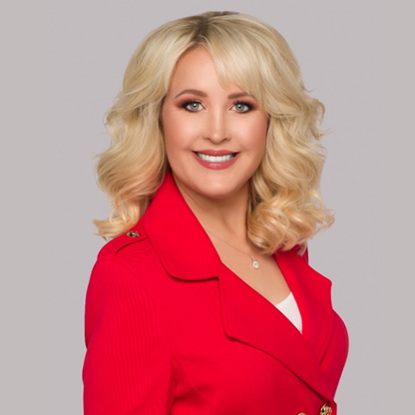
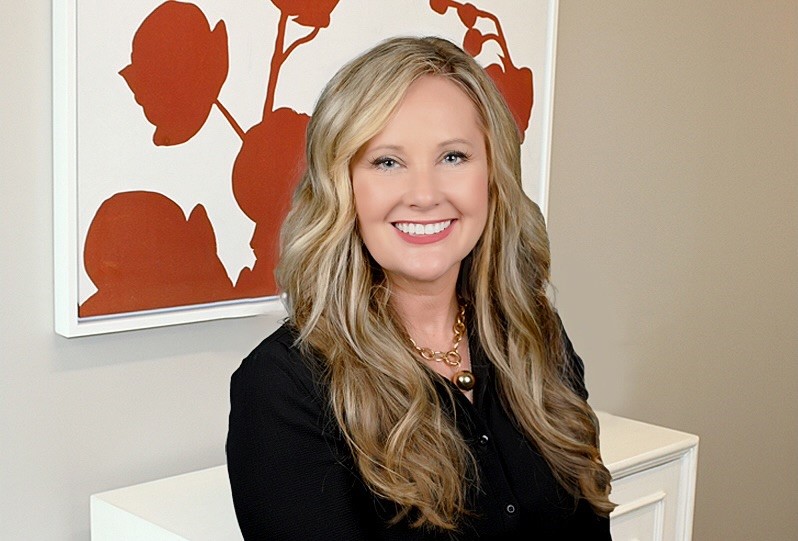
Jeana Goosmann
CEO, Founding and Practicing Attorney
Estate planning is about far more than drafting a will.
For many successful families and business owners, estate planning is about protecting the wealth they have worked decades to build, preserving that wealth for future generations, and ensuring their family is not left with uncertainty or conflict.
At Goosmann Law Firm, we design trust‑based estate plans for individuals and families throughout Iowa, Nebraska, and South Dakota. Our attorneys regularly work with business owners, professionals, and families who want their planning structures to function effectively not just today, but for generations.
Thoughtful estate planning can help:
Many clients come to us after discovering that their prior estate plan was never fully implemented or no longer reflects their financial situation.

Our estate planning practice frequently serves:
Many of our clients share a common goal: ensuring that the wealth they have built continues to benefit their family for generations.
Trust‑based planning often provides greater flexibility and protection than a simple will.
Trust structures can allow families to manage how assets are distributed, protect beneficiaries, and create long‑term governance for family wealth.
Depending on a client’s goals, planning strategies may include:
These strategies are most effective when implemented proactively, before major financial events occur.

Many families want to ensure that their children benefit from family wealth without exposing those assets to unnecessary risks.
Leaving assets outright to children can unintentionally expose those assets to:
Trust planning allows families to create structures designed to protect inheritances while still providing financial support for future generations.
Another important estate planning consideration is the possibility of remarriage after the death of a spouse.
Without thoughtful planning, assets intended for children may unintentionally pass to a new spouse or a new family.
Trust planning can address these concerns by:

For many entrepreneurs, the most powerful planning strategy is transferring high‑growth assets outside the estate before a major liquidity event.
Examples include:
If these assets are transferred to an IDGT prior to significant appreciation or a business sale, all future growth may occur outside the federal estate tax system.
Our attorneys regularly coordinate with valuation professionals and appraisers to structure these transfers properly.
For many families, the most valuable asset they own is a closely held business.
Without proper planning, ownership disputes, tax issues, or lack of succession planning can disrupt or even destroy a business that took decades to build.
Estate planning can help:

Many people believe they have a trust simply because documents were signed.
However, trusts frequently fail because they were never properly funded.
For example:
One simple test we often discuss with clients:
If your home is owned by your trust, the property tax statement should typically be issued in the name of the trust.
Many clients discover their trust was never fully implemented. Our planning process focuses on ensuring your estate plan actually works when it matters most.
We structure the planning process to be efficient and practical for busy professionals and business owners.
Most clients complete their estate planning in three meetings over approximately three months.
Clients complete a planning questionnaire before the consultation so our attorneys can review assets and planning goals in advance.
We review your goals and often design the planning structure during the first meeting.
Once the structure is approved we prepare the estate planning documents and provide a clear fee quote.
We review and execute the documents.
We assist with titling assets and implementing the trust so the plan functions as intended.
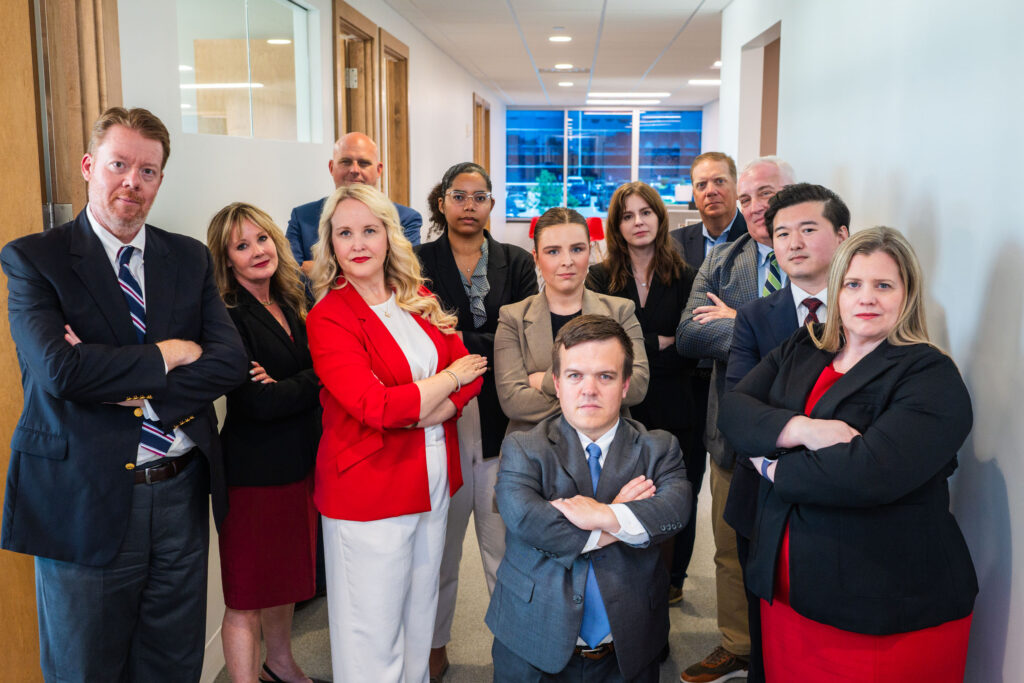
Estate planning is most effective when it is done proactively rather than in response to a crisis.
You should consider speaking with an estate planning attorney if:
Proactive planning can preserve significant wealth for your family and reduce uncertainty for the people you care about most.

Thoughtful estate planning protects the wealth you have built and ensures your family has clarity and stability in the future.
Schedule a Trust Planning Consultation with Goosmann Law Firm to discuss strategies designed to protect your assets, preserve family wealth, and ensure your estate plan functions as intended.
CEO, Founding and Practicing Attorney
Managing Partner
Sioux Falls Managing Partner
Partner

Senior Counsel
Senior Associate

Associate

Attorney and Director of AI Initiatives

Associate
Make sure you and your loved ones are set up for future success and stability. Contact our estate planning attorneys at Goosmann Law Firm today.
Generally, every three years or whenever significant life changes occur, such as marriage, divorce, the birth of a child, or changes in assets or health.
Yes. Even with a trust, a will ensures any assets not included in the trust are properly distributed and names guardians for minor children.
A comprehensive plan can use trusts, gifting strategies, and other legal tools to minimize estate and income taxes, protect assets from creditors, and provide for your heirs according to your wishes.

Protect your wealth, business, and legacy with asset protection strategies tailored to your unique needs.

Protect your wealth, business, and legacy with asset protection strategies tailored to your unique needs.

Protect your wealth, business, and legacy with asset protection strategies tailored to your unique needs.